Mapping Digital Wallet Timelines to Automated Limit Tools in Handheld Accumulator Reel Environments
Kirjoittanut Theo Friedrich · 18.9.2026
Mapping Digital Wallet Timelines to Automated Limit Tools in Handheld Accumulator Reel Environments
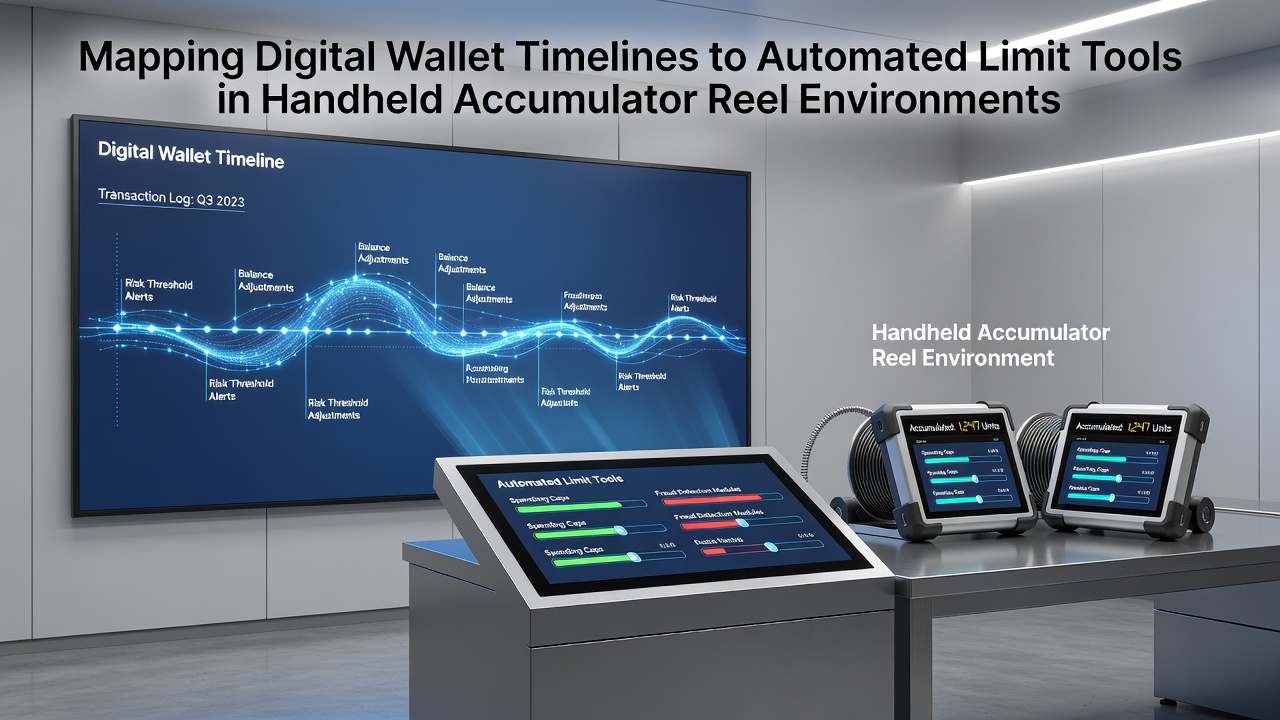
Digital wallet timelines track transaction sequences from initiation through settlement while automated limit tools enforce spending thresholds in real time on handheld accumulator reel devices, and researchers have documented how these elements align to manage fund flows during extended sessions. Observers note that accumulator reel environments process incremental wins and losses through mechanical or digital reel mechanisms integrated with portable hardware, and data from industry reports shows that synchronization between wallet timestamps and limit protocols reduces discrepancies in balance reporting across multiple device types.
Core Components of Timeline Mapping
Wallet timelines record precise moments of deposit, withdrawal, and balance updates while automated limit tools reference those same timestamps to trigger pauses or reductions when thresholds approach, and studies from gaming technology conferences indicate that handheld systems rely on synchronized clocks to maintain consistency between user accounts and device-side accumulators. Experts have observed that reel accumulators store session data locally before syncing with cloud-based wallet records, which creates opportunities for mapping algorithms to cross-reference time stamps with limit parameters. What's interesting is how this mapping process accommodates variable network conditions common in mobile environments, since delays in data transmission can shift effective timelines by several seconds or minutes depending on connectivity.
According to findings published by the National Center for Responsible Gaming, integration of these timelines with limit tools occurs through API endpoints that pull transaction logs at regular intervals, and figures reveal that systems updated in preparation for September 2026 standards will incorporate sub-second precision to align wallet events more closely with accumulator reel outputs. Those who've studied portable reel hardware know that accumulator mechanisms often log reel stops and credit changes independently of wallet activity, yet mapping routines reconcile the two streams by matching identifiers and temporal markers.
Technical Integration Processes
Engineers design mapping protocols that convert wallet transaction sequences into event streams compatible with limit enforcement engines, and this conversion happens through middleware layers that normalize time formats across different wallet providers and device operating systems. Research indicates that handheld accumulator reel environments benefit from such normalization because reel spin cycles and credit accumulations generate high-frequency data points that must be filtered against broader wallet timelines. The reality is that mismatches between these data streams have prompted developers to adopt standardized timestamp formats recommended in technical specifications released ahead of the September 2026 compliance window.

One case documented by analysts at the Australian Gambling Research Centre demonstrated how a mapping routine successfully flagged a rapid sequence of wallet deposits against an active loss limit on a handheld device, and the system paused further accumulator activity until the next reset cycle. People who've examined similar implementations note that limit tools can reference historical wallet timelines to predict spending patterns, which allows preemptive adjustments before reel accumulators reach predefined thresholds. And because these adjustments rely on accurate time mapping, developers continue to refine algorithms that account for time zone offsets and daylight saving transitions in global user bases.
Operational Considerations in Mobile Settings
Handheld environments introduce variables such as battery state, background app restrictions, and intermittent connectivity that affect how timeline data reaches automated limit tools, and reports from the Singaporean Gambling Regulatory Authority highlight the need for robust local caching mechanisms to preserve mapping integrity during network outages. Data shows that reel accumulator sessions often span multiple wallet interactions within short windows, which requires limit tools to process mapped timelines without introducing noticeable latency to the user interface. Those who've tested prototype systems for September 2026 deployment report that optimized mapping reduces processing overhead by consolidating multiple wallet events into single limit checks.
What's significant is the role of identifier matching alongside temporal alignment, since wallet transactions carry unique reference codes that limit tools cross-check against accumulator logs to prevent false positives or missed triggers. Industry associations have compiled datasets illustrating how mapping accuracy improves when devices maintain continuous time synchronization through network time protocols, and these improvements become particularly relevant in environments where users switch between cellular and wireless networks frequently.
Conclusion
Mapping digital wallet timelines to automated limit tools within handheld accumulator reel environments establishes a framework for consistent fund management across portable gaming hardware, and ongoing refinements ahead of September 2026 standards continue to enhance the precision of these alignments. Evidence from regulatory and research sources confirms that synchronized timelines support more reliable enforcement of spending boundaries while accommodating the dynamic nature of mobile reel accumulator operations.