Synchronizing Player Education Tools with Responsible Play Settings in Mobile Live Dealer Jackpot Slots
Kirjoittanut Klara Richter · 2.10.2026
Synchronizing Player Education Tools with Responsible Play Settings in Mobile Live Dealer Jackpot Slots
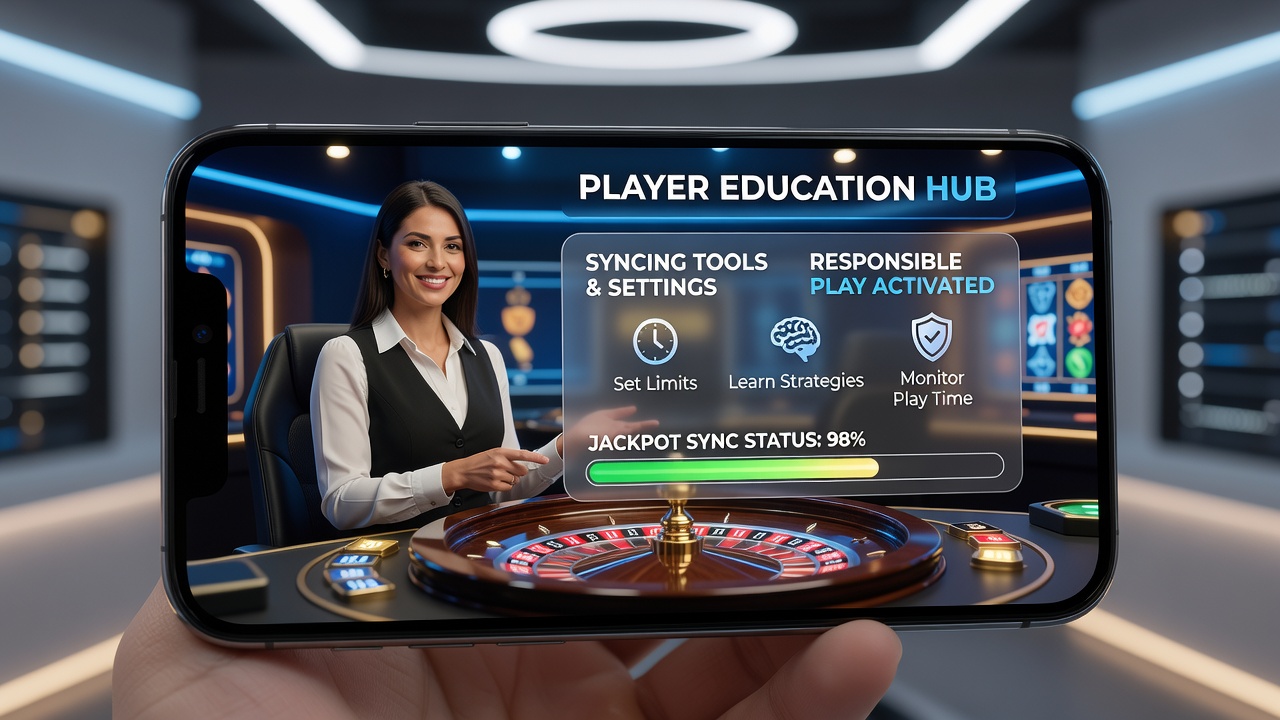
Platforms delivering mobile live dealer jackpot slots have developed systems that connect player education modules directly to responsible play controls, allowing users to access guidance on session management while adjusting limits in real time. These integrations appear across applications where progressive prize mechanics operate alongside video streams of dealers, and developers embed prompts that surface during account setup or after certain activity thresholds.
Core Components of Integrated Systems
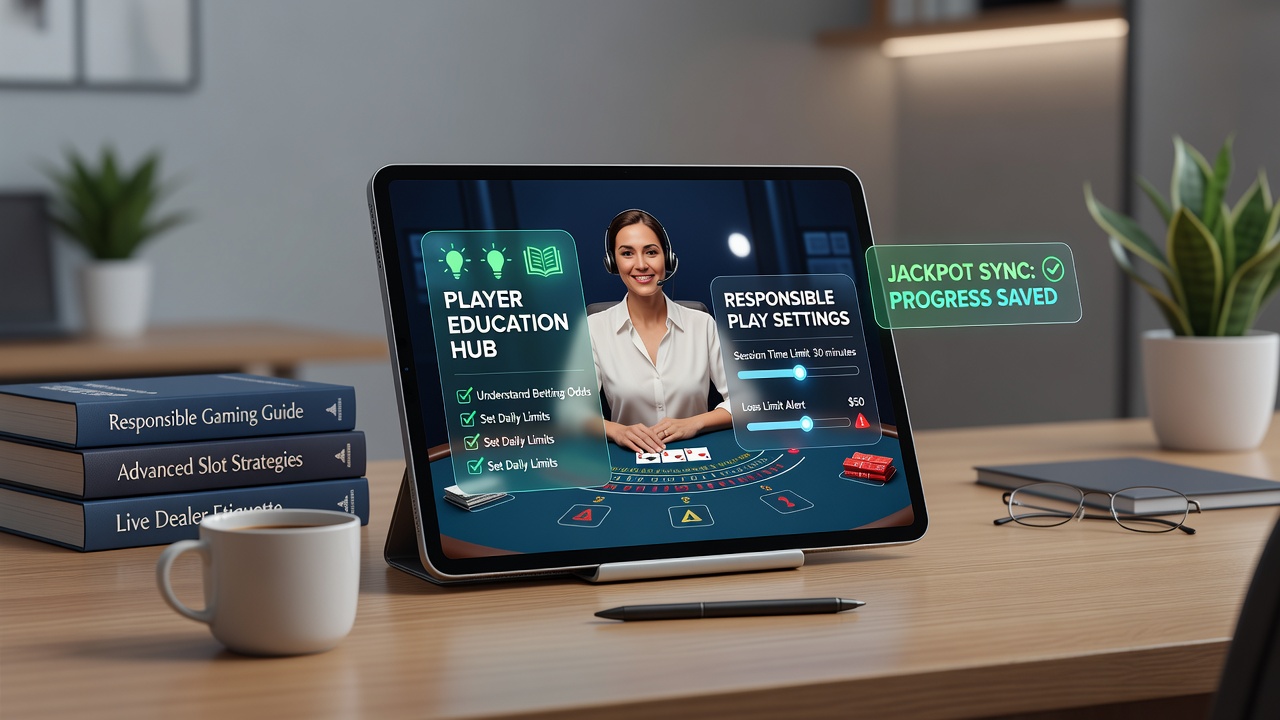
Education tools typically include short modules on probability, payout structures, and time management that activate when a player first configures deposit caps or cooling-off periods in the same menu. Data from regulatory filings indicates that operators in multiple jurisdictions have linked these modules to automated reminders, so that completing an educational segment unlocks or modifies teh corresponding limit settings without requiring separate navigation. Researchers tracking adoption rates in 2025 observed that applications using this synchronization recorded higher completion rates for initial responsible play configurations compared with standalone tools.
Live dealer environments add another layer because real-time chat and table interactions can run concurrently with jackpot accumulation displays. Synchronization occurs when the platform overlays brief educational overlays during dealer breaks or between rounds, prompting users to review current limit status before continuing. Industry reports compiled by the European Gaming and Betting Association show that such timing reduces interruptions while maintaining visibility of available controls.
Technical Implementation in Mobile Applications
Backend architecture connects the education database to the responsible play engine through APIs that share user progress flags. When a player completes a module on jackpot volatility, the system updates the profile so that limit adjustment sliders reflect personalized thresholds based on the completed content. Mobile frameworks ensure these updates propagate instantly across devices, and testing conducted by developers in October 2025 confirmed compatibility with both iOS and Android live streaming protocols used in dealer-hosted jackpot titles.
One implementation case involved an operator that introduced conditional access: players who skipped the education sequence encountered stricter default limits until the module was finished. Figures from that rollout indicated a measurable increase in voluntary limit adjustments within the first month, according to internal analytics shared with auditors.
Regulatory and Data Considerations
Authorities in several regions have begun requiring evidence of functional linkage between education resources and limit tools as part of licensing renewals. The National Council on Problem Gambling published aggregated findings in mid-2025 that highlighted improved user awareness metrics when platforms synchronized these elements in progressive slot environments. Updates scheduled for October 2026 in select markets are expected to expand reporting requirements to include completion rates for education modules tied to jackpot-specific features.
Additional research from academic groups at institutions such as the University of Nevada has examined how mobile notification timing affects engagement with both education and controls. Their analysis of session data revealed that prompts delivered immediately after a jackpot win or near-miss correlated with higher rates of subsequent limit reviews.
Challenges in Maintaining Synchronization
Developers face ongoing tasks around content localization because live dealer streams often support multiple languages while responsible play settings must match regional regulations. Updates to jackpot mechanics or new dealer variants require parallel revisions to associated educational modules to keep the two systems aligned. Observers note that platforms using modular content libraries can push synchronized changes more efficiently than those relying on static files.
Security protocols also play a role, as education completion records must remain tamper-proof when linked to limit enforcement. Encryption standards applied to these shared data points help prevent unauthorized alterations that could bypass responsible play configurations.
Conclusion
Integration of player education tools with responsible play settings continues to evolve in mobile live dealer jackpot slot applications through technical linkages, regulatory expectations, and iterative platform updates. Current implementations demonstrate measurable connections between module completion and limit adjustments, while upcoming changes in 2026 are projected to refine reporting and synchronization standards further across jurisdictions.