Transaction Pathways and Their Support for Awareness Initiatives in Portable Prize Platforms
Kirjoittanut Theo Friedrich · 30.10.2026
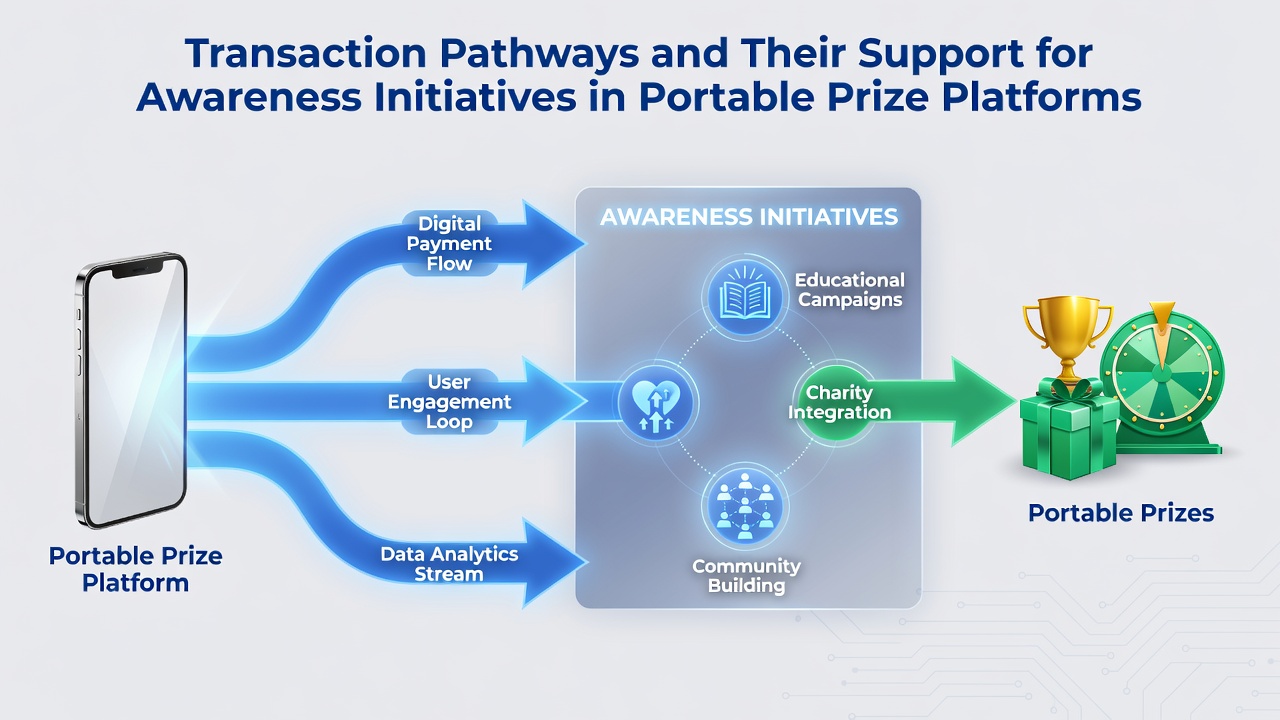
Transaction Pathways and Their Support for Awareness Initiatives in Portable Prize Platforms
Transaction pathways in portable prize platforms function as structured routes that process deposits, withdrawals, and related financial movements while embedding mechanisms for awareness initiatives, and observers note that these systems often connect directly to tools designed to promote informed participation among users across mobile environments. Data from regulatory filings indicate that platforms operating in multiple jurisdictions integrate transaction processing with features such as deposit tracking and limit notifications, which allows real-time visibility into spending patterns without interrupting the flow of funds.
Core Components of Transaction Pathways
Payment methods including e-wallets, bank transfers, and card-based options form the backbone of these pathways, and researchers have documented how each method carries distinct capabilities for linking to awareness protocols. For instance, e-wallet integrations frequently support automated alerts that notify users when preset thresholds approach during a session, whereas card transactions may route through additional verification steps that reference external databases for self-exclusion status. Studies conducted by academic institutions reveal that platforms utilizing unified transaction ledgers achieve higher rates of consistent limit application because all funding sources feed into a single monitoring dashboard visible on handheld devices.
Portable prize platforms have expanded these capabilities in recent years, and figures from industry reports show increased adoption of API connections between payment processors and responsible gaming modules. This connectivity enables features where a withdrawal request triggers a review of recent activity, prompting users with educational resources tailored to their transaction history. Those who have examined system architectures note that such linkages reduce the separation between financial operations and awareness prompts, creating a seamless experience that aligns with guidelines from bodies like the European Commission on digital gambling tools.
Integration with Awareness Features in Mobile Settings
Awareness initiatives gain support when transaction pathways incorporate elements such as session timers and spending summaries that update after each completed transfer, and evidence from platform audits demonstrates measurable improvements in user engagement with these tools when they appear within the payment workflow itself. In October 2026, several operators plan to roll out enhanced reporting functions that compile transaction data into monthly overviews accessible via mobile apps, allowing users to review patterns across multiple funding sources without leaving the platform interface.
Regulatory frameworks in regions including Australia and parts of North America require that transaction systems flag repeated deposits within short intervals, and compliance data indicate that these flags often pair with direct links to support resources or limit adjustment screens. People who manage portable prize platforms observe that this approach maintains operational continuity while fulfilling obligations to provide transparent information at points of financial interaction. Research indicates that platforms employing multi-currency transaction pathways benefit further because conversion calculations can trigger additional awareness checks when cross-border activity exceeds typical volumes.
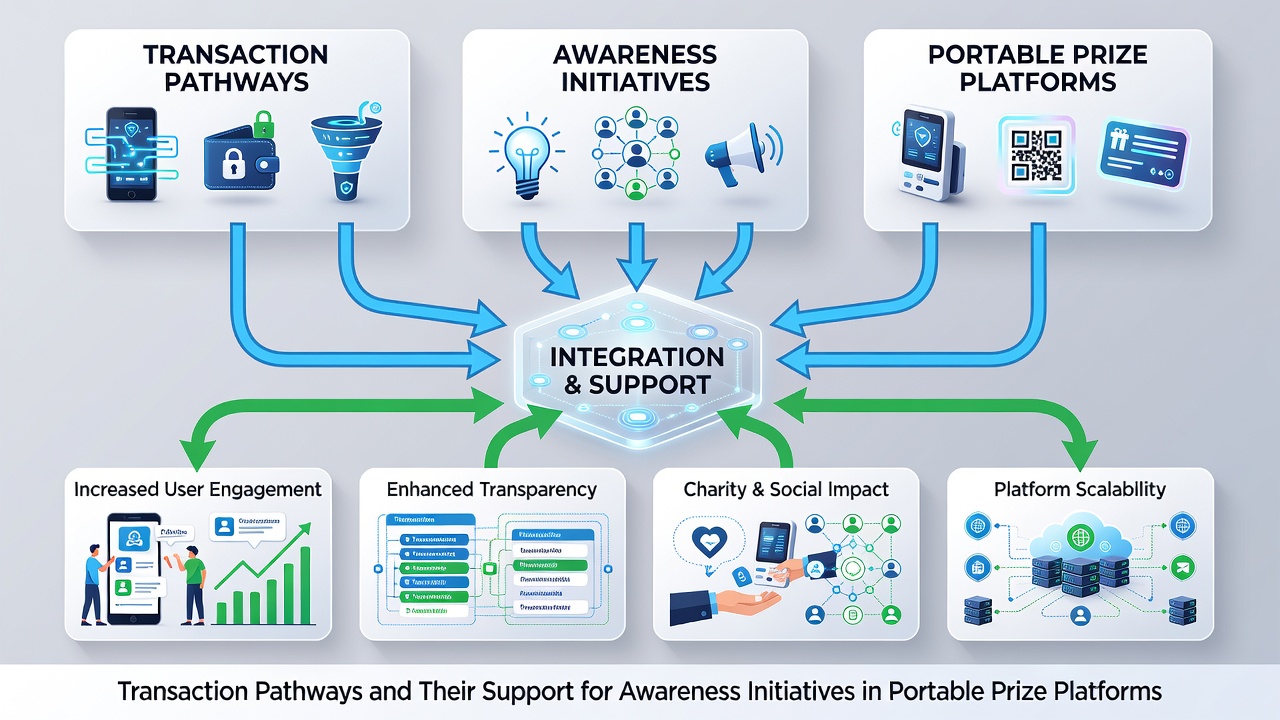
Regional Variations and Data Trends
Implementation details vary by jurisdiction, yet common patterns emerge in how transaction pathways accommodate awareness requirements. Canadian provincial regulators have published summaries showing that platforms with centralized transaction monitoring report lower instances of unaddressed limit breaches compared to those relying on separate systems. Meanwhile, data compiled by university research teams in Europe highlight correlations between the speed of transaction confirmations and the timeliness of awareness interventions, suggesting that faster processing supports more immediate user notifications.
Transaction logs also serve as sources for aggregated analytics that inform broader awareness campaigns, and organizations tracking industry metrics note that anonymized data from portable platforms contribute to studies on usage behaviors across demographic groups. This information flow operates without compromising individual privacy standards because pathways route sensitive details through encrypted channels before any summary generation occurs.
Technical Mechanisms Enabling Support
Backend architectures rely on event-driven triggers that activate awareness modules whenever a transaction reaches defined criteria, and software documentation from developers describes how these triggers integrate with mobile operating systems to deliver push notifications or in-app banners. Such mechanisms allow platforms to maintain compliance across device types while preserving the uninterrupted nature of prize-related activities. Observers who have reviewed technical specifications point out that modular designs permit updates to awareness features without altering core payment processing, which reduces downtime during regulatory adjustments.
Security protocols within these pathways further reinforce awareness by requiring periodic re-authentication that coincides with spending reviews, and industry analyses reveal that this dual-purpose step increases user interaction with educational content presented at those moments. The result is a framework where financial transactions actively contribute to ongoing awareness rather than functioning solely as conduits for value exchange.
Conclusion
Transaction pathways continue to evolve as foundational elements that sustain awareness initiatives within portable prize platforms, and available evidence points to ongoing refinements in integration methods that align financial operations with user information tools. Continued documentation from regulatory and academic sources will likely shape future developments in how these systems operate across mobile environments.